Prevalence and risk factors associated with malaria infection in children under two years of age in southern Togo prior to perennial malaria chemoprevention implementation

Prevalence and risk factors associated with malaria infection in children under two years of age in southern Togo prior to perennial malaria chemoprevention implementation


Abstract
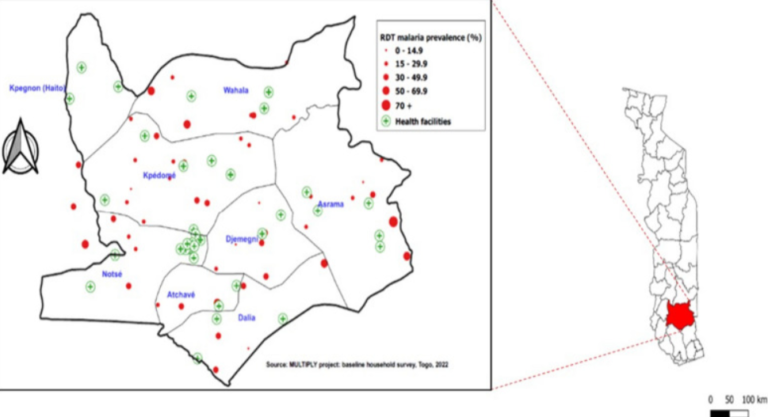
Background: Malaria remains the leading cause of mortality and morbidity in young children in sub-Saharan Africa. To prevent malaria in children living in moderate-to-high malaria transmission areas, the World Health Organization has recommended perennial malaria chemoprevention (PMC). Prior to piloting PMC implementation in southern Togo, a household survey was conducted to estimate malaria infection prevalence in children under 2 years of age (U2).

Methods: A cross-sectional community-based household survey was conducted in the Haho district in the Togo Plateaux region. A three-stage random sampling method was used to select study participants aged 10-23 months whose caretakers gave informed consent. The prevalence of Plasmodium infection, defined as a positive rapid diagnostic test (RDT), was estimated with 95% confidence interval (CI). Clinical malaria was defined as having a positive RDT plus fever (≥ 37.5 °C) or history of fever in the last 24 h. Mixed-effects logistic regression models were used to assess the child’s, caretaker’s, and household’s factors associated with malaria infection.

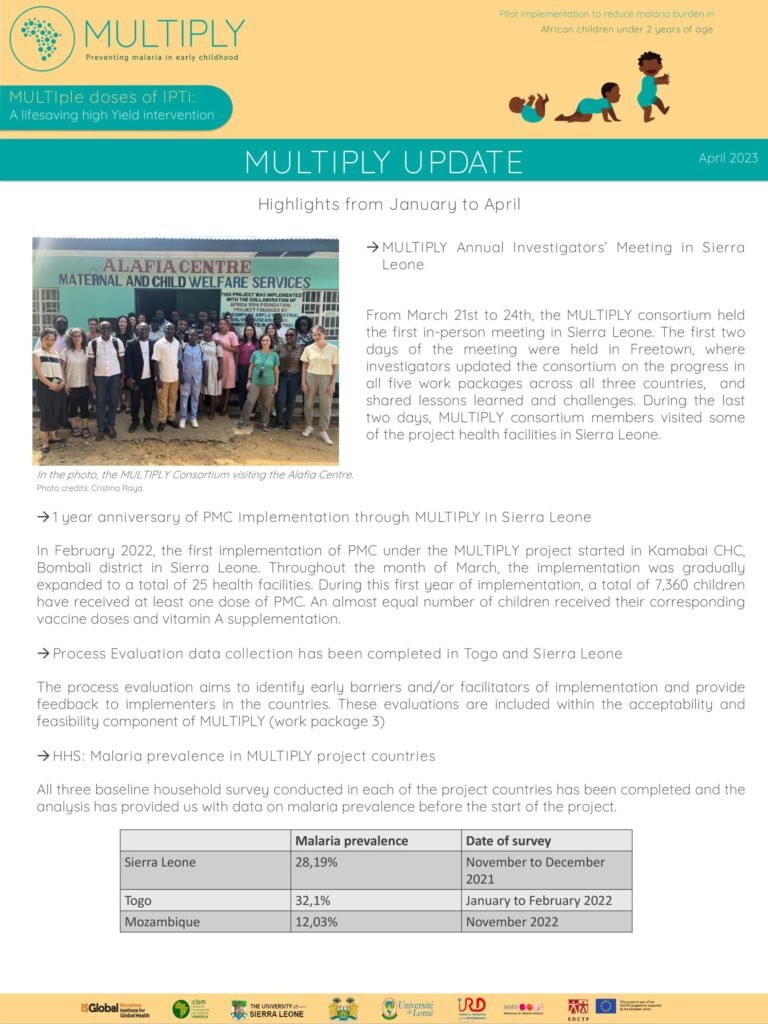
Results: A total of 685 children were included in the survey conducted January-February in 2022 (dry season). Median age was 17 months (interquartile range: 13-21). About 80% of the children slept under a bed net the night before the interview. Malaria infection prevalence was 32.1% (95% CI 27.7-37.0) with significant area variation (cluster range: 0.0-73.3). Prevalence of clinical malaria was 15.4% (95% CI 12.2-19.2). Children whose caretakers were animist (aOR: 1.71, 95% CI 1.19-2.46) and those living in mother-headed households (aOR: 2.39, 95% CI 1.43-3.99) were more likely to have a positive RDT. Living more than 5 km away from the nearest health facility (aOR: 1.60, 95% CI 1.04-2.44) and presence of two or more under-5-years children in the household (aOR: 1.44, 95% CI 1.01-2.07) were also associated with increased risk of infection.

Conclusion: One-third of the children U2 who participated in this survey had malaria infection, thus PMC could be a promising strategy to reduce malaria burden in young children in Plateaux region. Reinforcement of outreach services and targeting the poorest households should be prioritized to reduce the inequity in malaria prevention in children exposed to the infection.

Keywords: Children; IPTi; Malaria infection prevalence; PMC; Prevention; Sub-Saharan Africa; Togo.

© 2023. The Author(s).

Celebrating 1 Year Of Implementation In Togo

Celebrating 1 Year Of Implementation In Togo


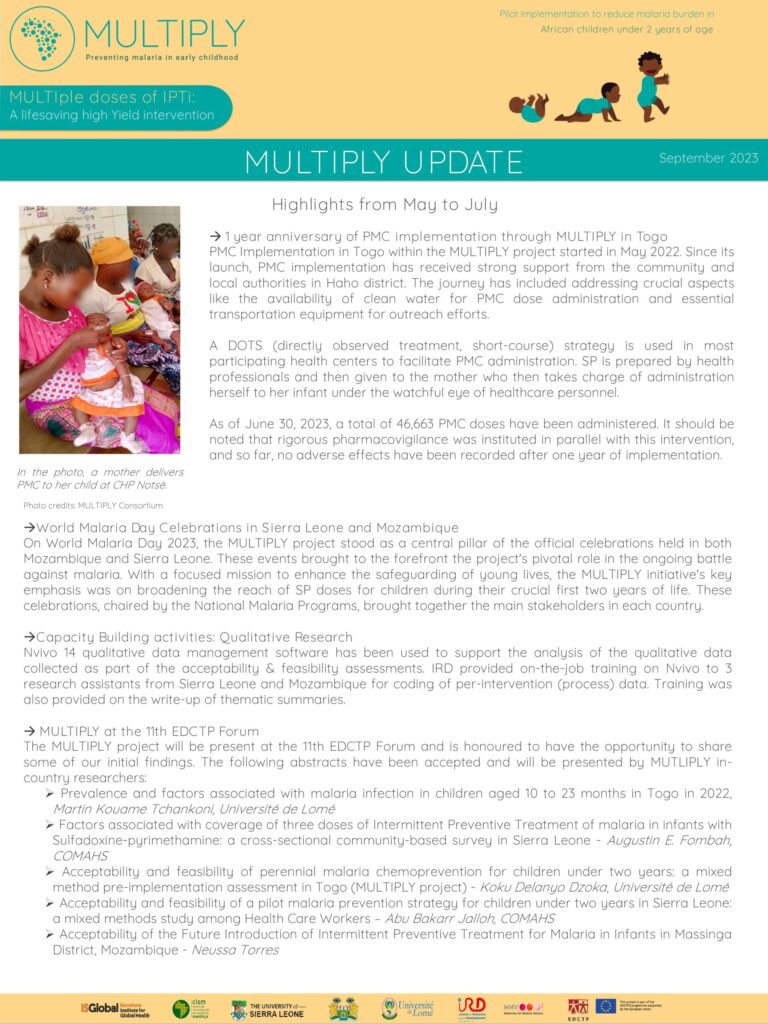
In May 2022, in a significant stride towards combating malaria and improving child healthcare, the implementation of Preventive Malaria Chemotherapy (PMC) within the MULTIPLY project district started in Togo.

The project’s initial focus lies on the Haho district, nestled within Togo’s Plateaux region. This strategic decision was guided by a meticulous analysis of key factors such as geographical location, birth statistics, vaccination coverage, and malaria prevalence. The Haho district emerged as an optimal starting point for PMC implementation in Togo.

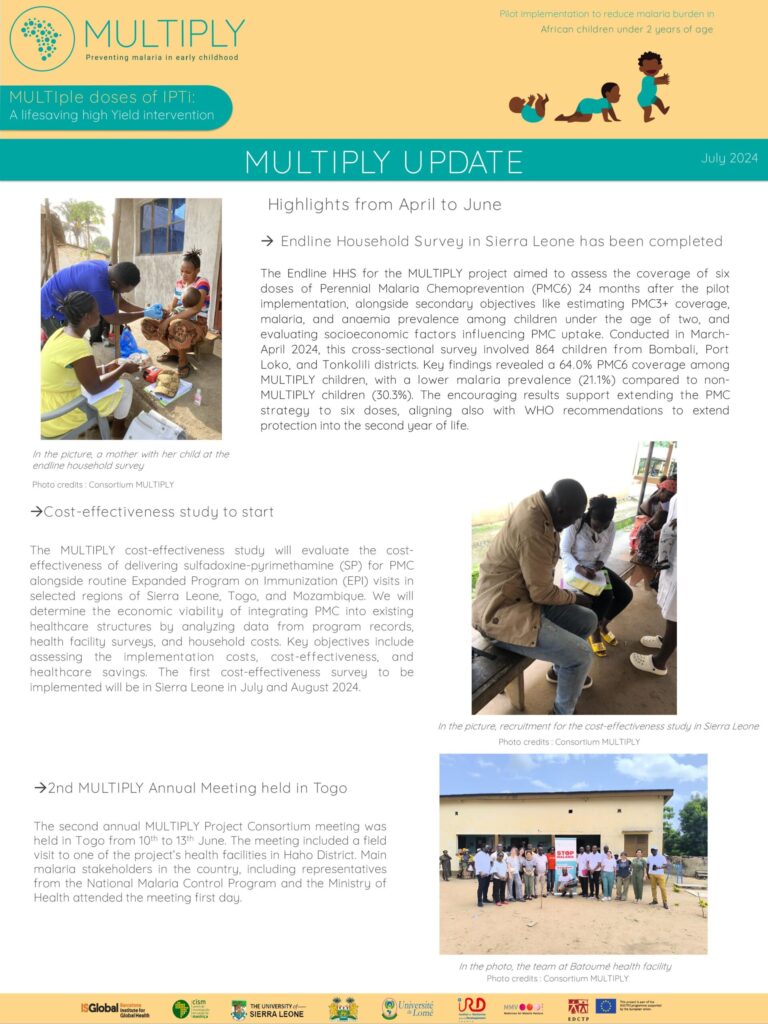
From its start, PMC implementation in Togo has had strong endorsement from the local community and authorities. The journey has included addressing crucial aspects like the availability of clean water for PMC dose administration and essential transportation equipment for outreach efforts. One of the project’s remarkable achievements has been the comprehensive deployment of PMC across all health facilities within the district. Through perseverance and innovative problem-solving, the project has managed to overcome initial obstacles, achieving its goal of accessibility and coverage.

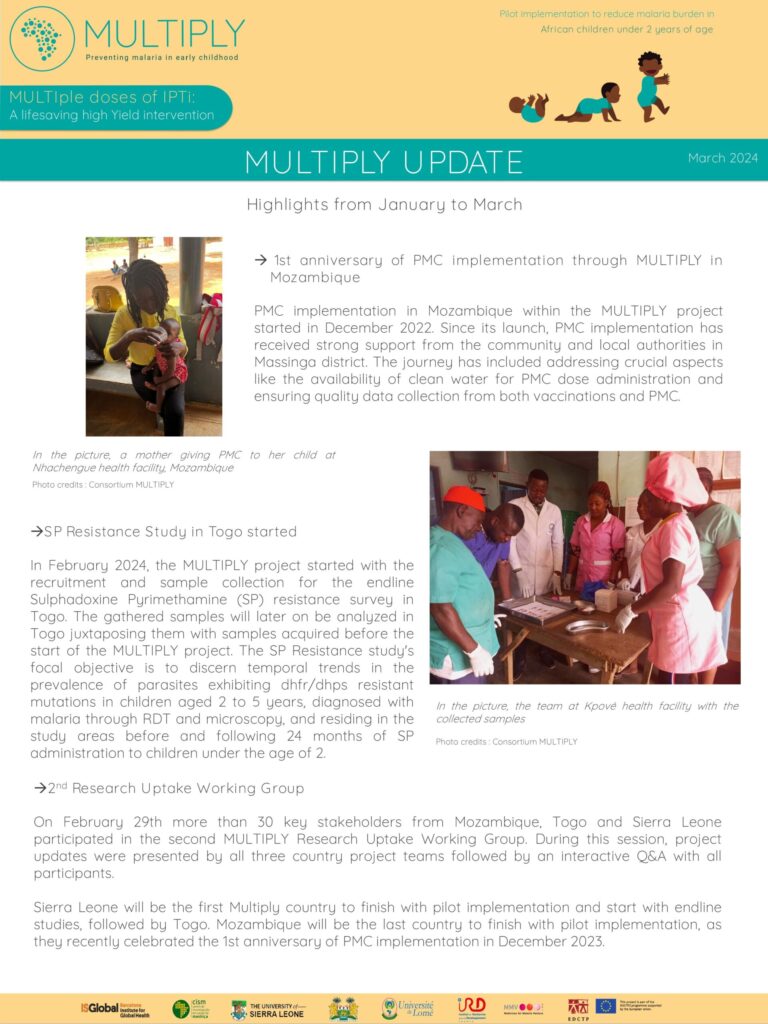
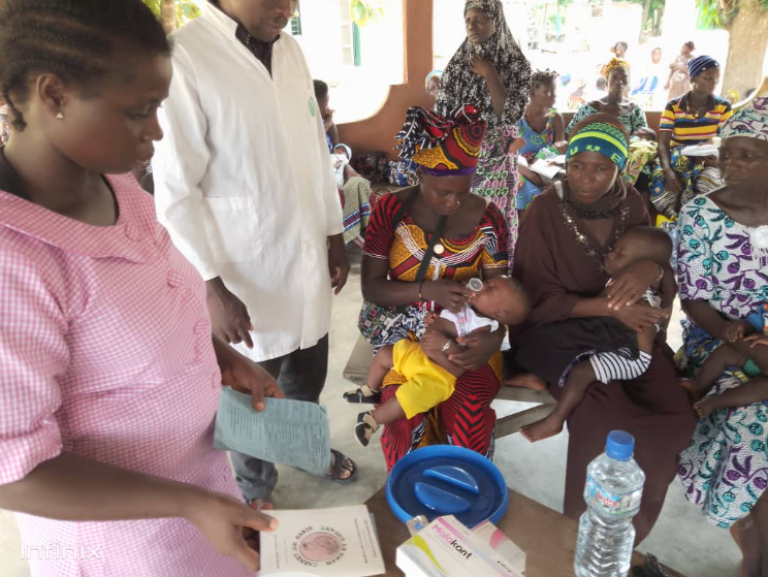
Within the majority of 27 health centers, chosen as sites for MULTIPLY implementation, , a novel approach known as Directly Observed Treatment, Short-Course (DOTS) has been adopted to ensure efficient PMC administration to children. Health professionals prepare the PMC doses while mothers take charge of the administration process under the watchful supervision of healthcare personnel. As of June 30, 2023, a total of 46,663 PMC doses have been successfully administered.

Safety has been paramount throughout the implementation process. Rigorous pharmacovigilance measures were introduced in tandem with the PMC intervention. Encouragingly, after a year of implementation, no adverse effects have been reported, underscoring the careful planning and execution of the initiative.

The health district’s dedicated teams have integrated PMC implementation into their daily routines. Supervision activities for PMC align with ongoing vaccination efforts and other interventions within the district. As PMC implementation advances into its second year, the motivation of district-level teams remains, cementing PMC administration as a routine practice in Haho district’s health centers.

In summary, the journey of PMC implementation in Togo’s MULTIPLY project serves as an example of progress and dedication. Through community support, strategic decision-making, and collaborative problem-solving, PMC is poised to make a lasting impact on child healthcare and malaria prevention in the region. As the initiative continues to unfold, the prospect of healthier futures for the children of Togo shines brighter than ever before.

World Malaria Day In Sierra Leone And Mozambique

World Malaria Day In Sierra Leone And Mozambique


The 25th of April every year is an internationally recognized day for the commemoration of the global effort to control malaria and celebrating the gains that have been made and the remaining challenges ahead. Since 2000, even though the world has made historic progress against malaria, saving already millions of lives, the world is not on track to reach 2 critical targets of the WHO Global technical strategy for malaria 2016-2030: Reducing global malaria case incidence by 90% or more and reducing the global malaria mortality rate by 90% or more by 2030.

According to the world malaria report from 2022, malaria claimed the lives of an estimated 619,000 people in 2021 compared to 625,000 in 2020. There were 247 million new cases of malaria in 2021 compared to 245 million in 2020 with the African continent accounting for 95% (234 million) cases and 96% (593,000) of deaths. Nearly 80% of the malaria deaths in the African continent were among children under the age of five.

This year in Sierra Leone, to commemorate World Malaria day, the Ministry of Health and Sanitation partners with the participation of key stakeholders contributing to the fight against malaria in each district across the country, took the opportunity to reflect on the successes over the years, highlighted the challenges and garnered momentum. Statements from the health authorities in the districts acknowledged the contribution made by various partners including MULTIPLY over the last year in the fight against malaria and appealed for the expansion of the 6-dose strategy without further delay. Short statements were delivered on behalf of the project mainly focussed on the activities and goals of the projects by Dr Augustin Fombah, Mr. Kwabena Owusu, Dr Tonya Musa and Mr. Lansana Conteh. As part of the advocacy plan, the benefits of the projects, the challenges and the expected role of communities were also presented.

Additionally, live radio panel discussions were held in key radio stations in the three districts, Bombali, Tonkolili and Port Loko, where the project team, comprising Dr. Augustin Fombah, MULTIPLY Coordinator; Dr Tonya Musa from the University of Sierra Leone (media and communication expert) moderated the radio discussions; Mr. Abubakarr Jalloh, the Assistant Social Scientist and Mr Lansana Conteh (Communication Officer from COMAHS) teamed up with the Malaria Focal Person and Social Mobilization Officer of each district (Mr Mohamed Rashid Kargbo and Mohamed Conteh for Bombali, Mr Hassan Bellal Conteh and Mr. Erwin Kamara for Port Loko, Mr James Fornah and Mr. Mohamed Jalloh for Tonkolili respectively) to raise awareness on the importance and impact of malaria in general, the malaria intervention activities being implemented in the districts, MULTIPLY activities, and the role of the community, community leaders and the way forward.

In Mozambique, MULTIPLY project was officially launched during the 2023 World Malaria Day celebrations as part of the provincial ceremonies in Inhambane province.On behalf of CISM, Fabião Luís highlighted the importance of the MULTIPLY project in improving child survival by decreasing malaria and anemia burden, as well as vaccine preventable diseases.

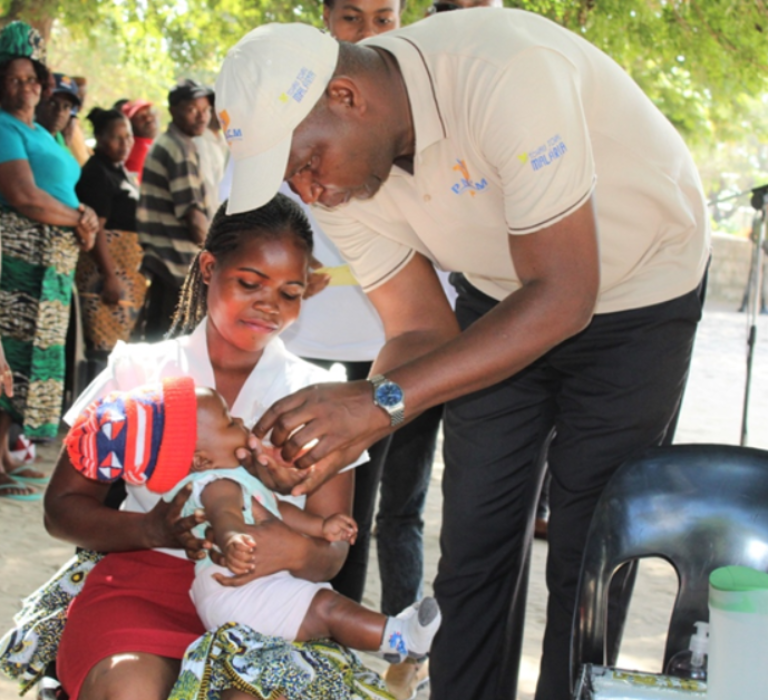
His Excellency, Daniel Chapo, provincial Governor administering a first official PMC dose to a child

Multiply Annual Meeting – Sierra Leone 2023

Multiply Annual Meeting – Sierra Leone 2023


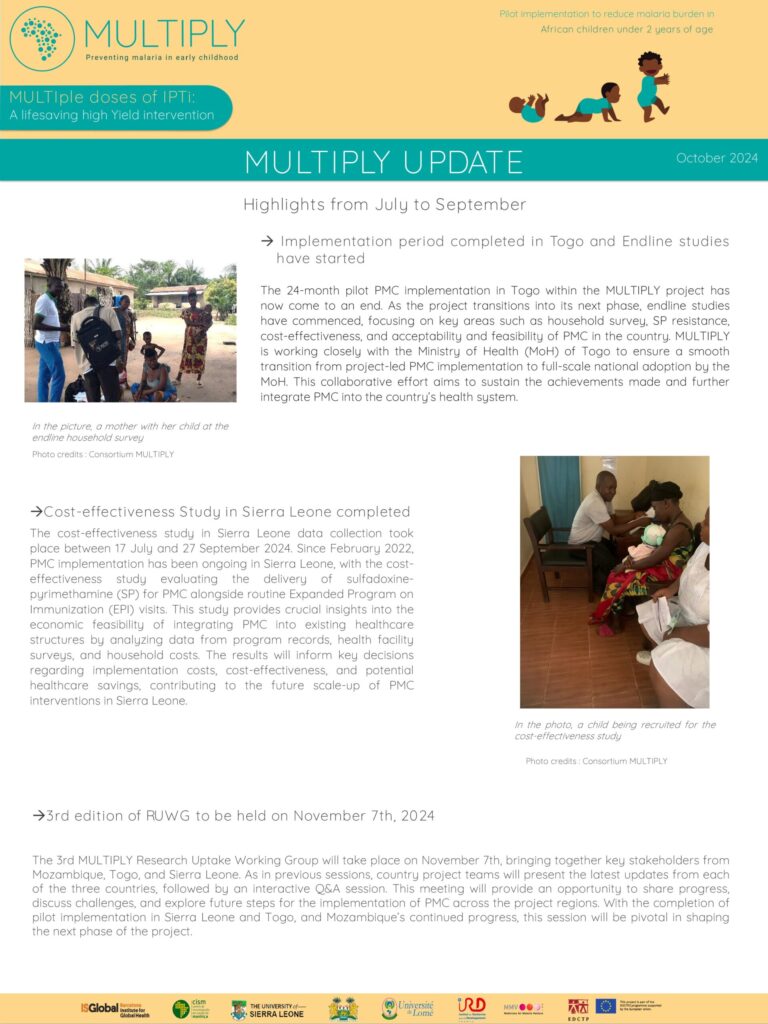
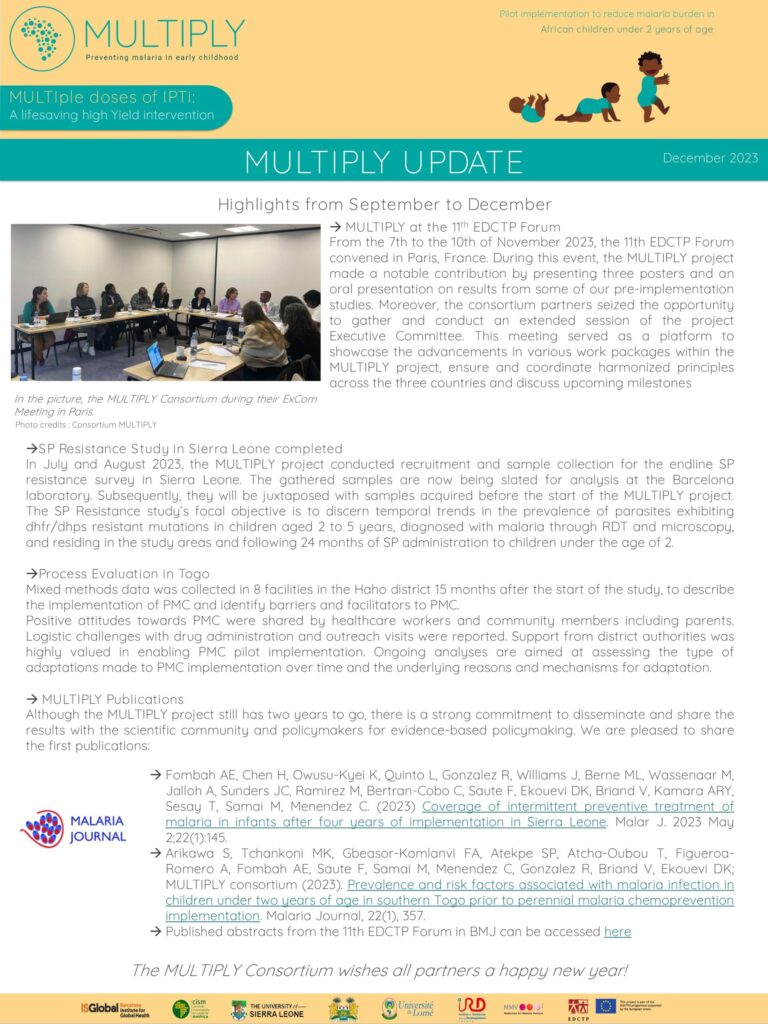
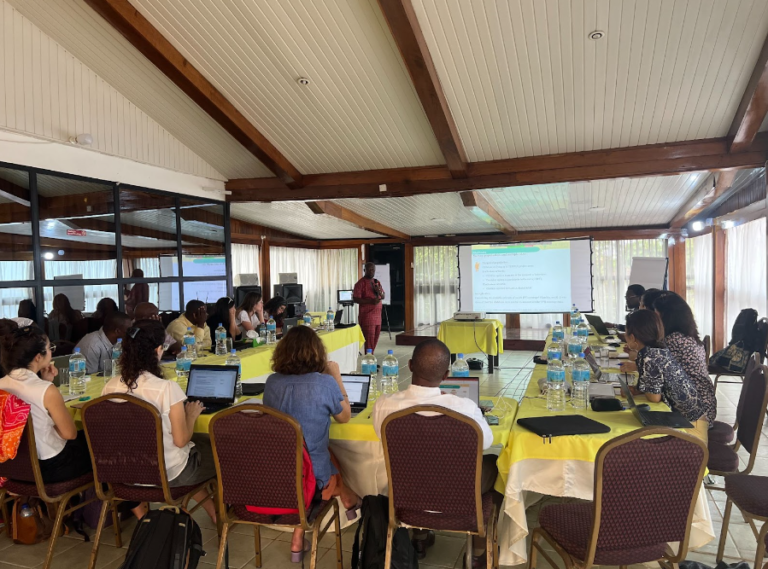
For the first time since the start of the MULTIPLY project, members of the consortium were able to meet in person at the project’s annual investigators’ meeting held from March 21st to 24th in Sierra Leone. The meeting brought together members of the consortium to discuss progress made towards achieving the consortium’s objectives and to plan for the upcoming years.

On the morning of March 21st, more than 100 participants representing the main health stakeholders of Sierra Leone attended the opening ceremony of the Annual Investigator’s meeting. During the ceremony representatives from WHO and UNICEF gave short statements together with Montserrat Blazquez (EDCTP), Professor Foday Sahr (Vice Chancellor – University of Sierra Leone), Dr. Sartie Kanneh (Chief Medical Officer), Dr. Austin Demby (Ministry of Health) and Professor Alpha T. Wurie from the Ministry of Technical and Higher education. During this opening ceremony, the MULTIPLY project, at a glance, was presented by Professor Mohamed Samai, Sierra Leone’s Principal Investigator, and Dr. Clara Menendez, the Project Director.

The Investigator’s Meeting started after lunch, its main objective being to update all consortium partners on the status of the project in each of the Work Packages and discuss challenges and exchange on lessons learned across the three countries. The meeting was an opportunity for the consortium members to share their experiences, successes, and lessons learned since the project’s inception.

After a day and a half of the investigator’s Meeting in Freetown, the attending MULTIPLY consortium members visited some of the project’s health facilities in Port Loko and Bombali districts. MULTIPLY members had the chance to witness the delivery of IPTi during outreach and fixed EPI sessions and benefited from Sierra Leone’s experience in IPTi delivery since 2017. The visits to local health facilities provided valuable insights into the areas where more strengthening would be needed and the positive impact of the project including first hand accounts from the healthcare workers.

Overall, the annual meeting was a significant event for MULTIPLY and its members as it marked the first time that all members were able to come together in person. The discussions held and decisions made will guide the consortium’s activities for the upcoming year as it continues to work towards achieving its objectives.